Three Kinds of Loads
Inbound ingredients and packaging, finished goods going out, and transfers between a co-packer and the brand’s warehouse are different jobs. Tell us which one you have and who is paying. Inbound film, cartons and labels usually travel dry; see packaging freight. Finished goods may need a reefer, a held temperature or freeze protection.
Food-Grade Trailers and Set Points
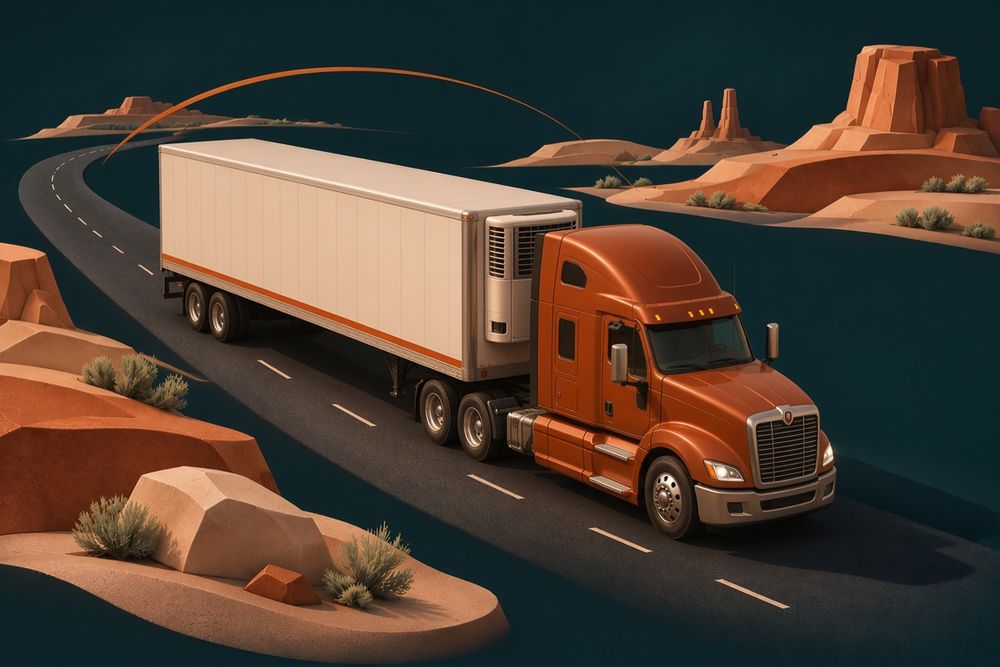
Food loads need a clean, dry, odor-free trailer, and many need a set point. Tell us the product, the set point if any and whether the unit should run continuously. Our food-grade trucking page covers what to ask for, and reefer vs dry van helps when the product is borderline.
Retail Appointments and Multi-Stop Runs
Grocery and retail distribution centers book appointments and can turn away a late or mislabeled load. Send pallet labeling or lot-code requirements with the request. If one run delivers to several customers, see multi-stop freight. More on scheduling is in retail delivery appointments.
Lanes We Often Quote
Central Valley plants and Southern California co-packers trade a lot of freight: Fresno to Los Angeles, Los Angeles to Fresno, Sacramento and Stockton and the Bay Area. Finished goods leave Southern California for Phoenix, Texas and points east.
What to Send
- What the product is, and whether it is ingredients, packaging or finished goods
- Set point, if any, and whether the unit should run continuously
- Pallet count, dimensions and gross weight
- Origin and destination city or ZIP
- Appointment, labeling or lot-code requirements, and ship date