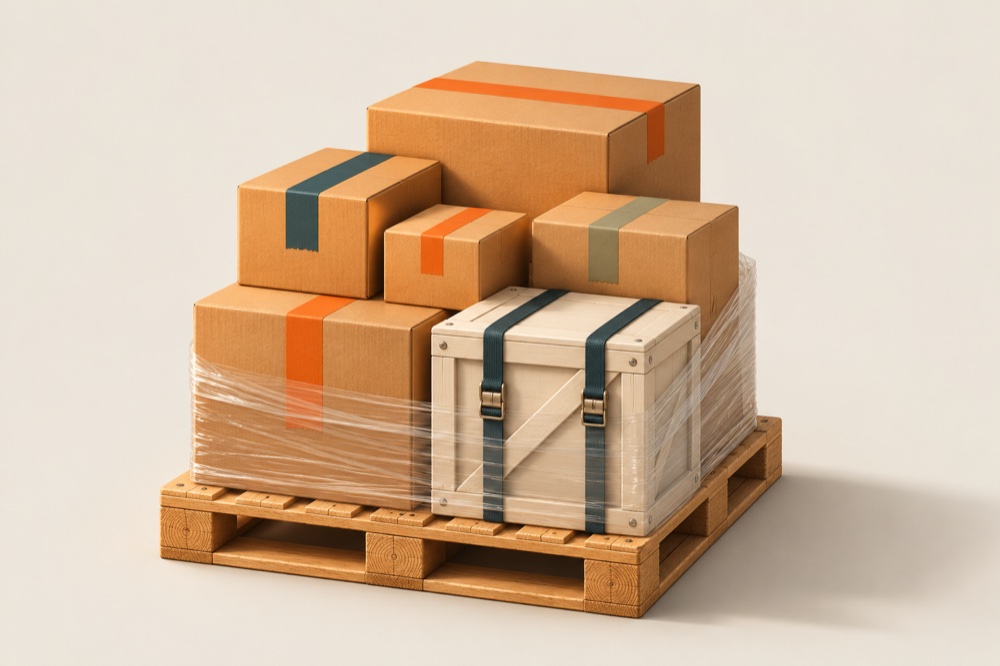
Usually dry, often bulky, sometimes a full trailer of air
Corrugated cartons, empty containers, film, and similar packaging can be light for the space they occupy. That is why pallet dimensions and stackability matter, especially on LTL, where density and class are part of the rate. A trailer can also look “full” of packaging long before it hits a weight limit, which is a reason mid-size and full truckload quotes should include the cube, not only the pounds. See LTL freight classes and how to ship pallets.
Most of this freight travels in a dry van. If a packaging material cannot get wet or cannot freeze, tell us; we can talk through dry van versus a protect-from-freeze reefer. We quote packaging into food and beverage plants, consumer-goods warehouses, and Inland Empire fulfillment sites, and outbound from California packaging suppliers to the rest of the 48 states.
Receivers and recurring lanes
Plant and warehouse receivers may have appointment rules, limited docks, or receiving hours that should be on the quote. If you ship the same packaging lane often, tell us; recurring freight is easier to plan. A few pallets belong on LTL. A steady, high-cube release may belong on a dedicated trailer even when the weight looks light.
What to send
- What the packaging is (cartons, film, containers, and so on)
- Pallet count, dimensions, stackability, and gross weight
- Origin and destination city or ZIP
- Ship date and any appointment or dock-hour notes
- Any freeze-protection or keep-dry requirements