When a Full Truckload Makes Sense
A full truckload is usually the right fit when the freight fills most of a 53-foot trailer, weighs enough that LTL pricing climbs, or needs to go straight from pickup to delivery without terminal handling. A common rule of thumb is to start comparing truckload with LTL once a shipment passes about ten to twelve standard pallets or roughly half the trailer, but the right answer depends on the lane and the freight. FTL vs LTL walks through the trade-off, and partial truckload covers the middle ground.
What Goes Into a Truckload Quote
A truckload rate is built on the lane, not on freight class. The main factors are the pickup and delivery cities, the miles between them, how much freight is heading out of that market at the time, the equipment, the ship date and how firm it is, and any extras such as appointments, a second stop, a lumper or waiting time. Reefer adds the cost of running the unit and the extra care that temperature-controlled freight needs. How much does a truckload cost? explains each of these in more detail, without published prices.
Dry Van or Reefer
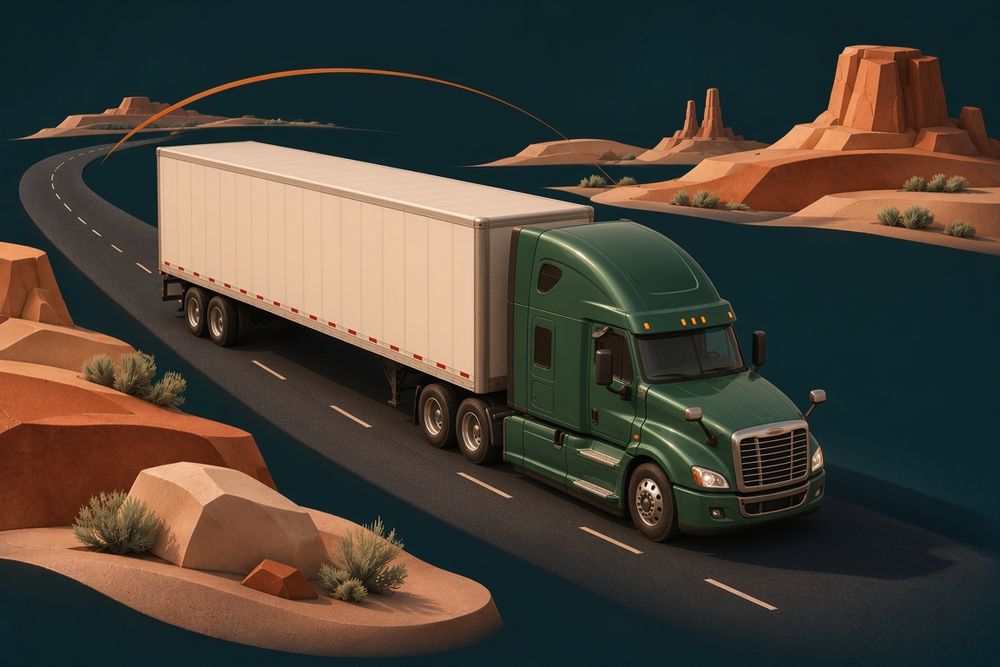
A dry van is an enclosed trailer for packaged freight that does not need temperature control. A reefer is a refrigerated trailer that holds a set point for produce, dairy, meat, frozen food and other sensitive product. If you are not sure which one your freight needs, see reefer vs dry van or ask us in the notes.
How the Quote Reaches You
Send the request through the form on this page. Our team reviews the lane, the timing and the equipment and reaches back out with a rate for that shipment. Don and Julius are independent agents of Uclan Freight, and the rate you receive is for the specific load you describe, so the more exact the details, the more useful the quote.